One third of our bee species are threatened with extinction from Ireland. This is because we have drastically reduced the amount of food (flowers) and safe nesting sites in our [Ireland’s] landscapes. The All-Ireland Pollinator Plan is about all of us, from farmers to local authorities, to schools, gardeners and businesses, coming together to try to create an Ireland where pollinators can survive and thrive. The first Plan covers the period 2015-2020 and a new version will be developed to cover 2021-2025.’ (Extract from pollinators.ie)
There are over 100 different types of bee and 180 hoverflies on the island of Ireland. Along with other creatures like moths, they provide important pollination services, helping fertilise many of our flowers, crops, and wild plants.
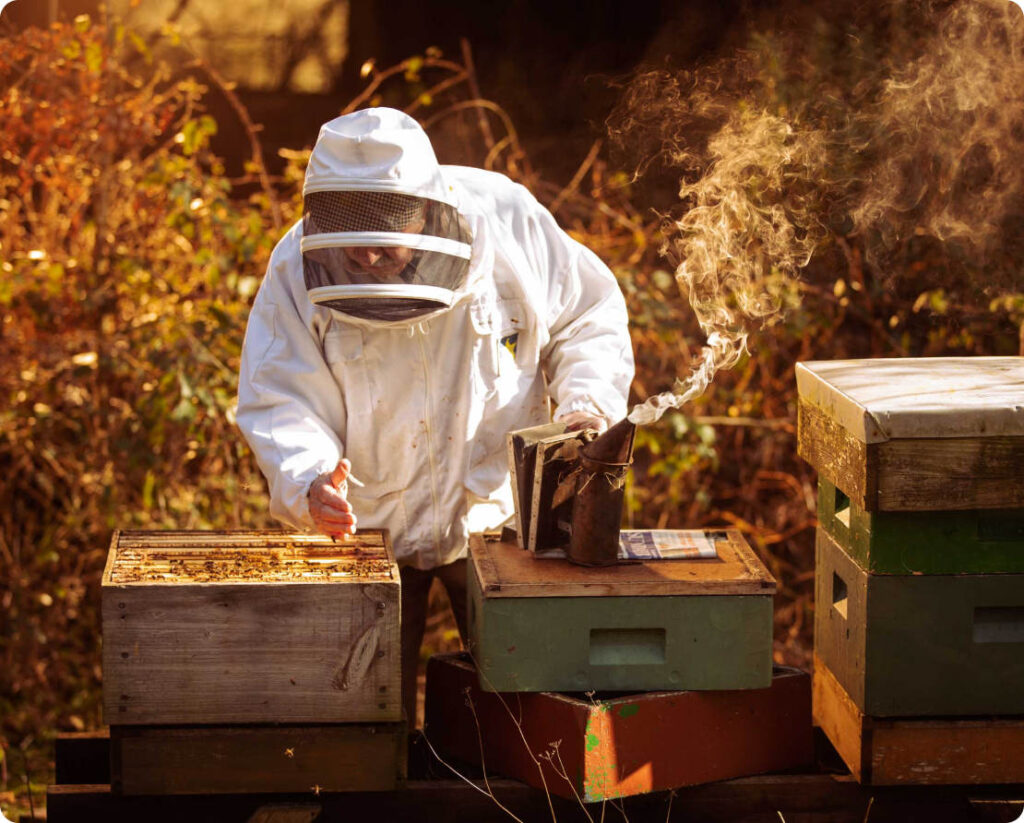
It’s essential to support our pollinators by improving and protecting their environment. Many native bee and other pollinator species are actually at greater risk of extinction than honey bees and need urgent help. As the saying goes, “Buying a hive of bees to save the bees is like buying chickens to save the birds.” Real conservation starts with safeguarding habitats and native vegetation for all pollinators.
Hedgerows are an essential part of Ireland’s landscape and biodiversity. One of the most important ways to protect them is to avoid cutting between March and September — a legal requirement. This is the prime flowering period for many wild plants that pollinators depend on for food.
Hedgerows also provide safe nesting sites and act as vital wildlife corridors, linking different habitats. While planting pollinator-friendly flowers in your garden is helpful, the most important action we can take is to preserve the variety of wild plants already growing in our countryside.
For practical tips and detailed guidance on how to help Ireland’s pollinators, visit pollinators.ie.